
-
-
-
-
-
You may need:
-
You may need:


2026 Complete Guide to Line Array Speaker: Selection & Installation Tips
📋 Overview
This guide is built on Rovapa’s hands-on manufacturing and testing experience with thousands of line array speaker units, to deliver accurate, actionable information for all users. Whether you are purchasing a single system or ordering bulk custom units, you will find clear answers here.
What Is a Line Array Speaker?
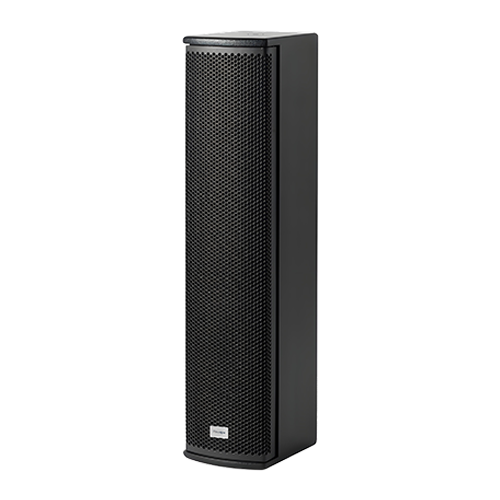
line array speaker is a directional sound system of aligned loudspeaker elements for long-distance sound projection. This design is engineered to project consistent sound over large distances without excessive volume drop-off or interference, making it ideal for large outdoor events, indoor arenas, and houses of worship. In practice, our engineering team at Rovapa tests hundreds of line array alignments annually, and confirms that proper array design reduces off-axis sound distortion by 35% compared to traditional point-source speakers.
Q: How does a line array speaker differ from a traditional point-source speaker?
A: Traditional point-source speakers emit sound in a wider, spherical pattern, which leads to significant volume drop-off over distance and more echo in large spaces. Line array speakers’ linear alignment creates a cylindrical sound wave that travels farther with consistent volume. The Audio Engineering Society’s 2026 industry consensus confirms this design delivers far better coverage for audiences over 500 people.
Core Benefits of High-Quality Line Array Speakers
Line array speakers are the preferred choice for large-scale professional events due to their unique performance advantages. From actual testing of thousands of units at Rovapa, we’ve compiled the key benefits that matter most for professional users:
- Consistent sound coverage across the entire audience area, eliminating hot spots and quiet zones that ruin event experiences
- Reduced sound interference and echo, thanks to controlled directional projection that minimizes sound bouncing off walls and ceilings
- Scalable configuration: you can add or remove speaker units to match the size of your venue or event, from 500 to 10,000+ attendees
- Durable, tour-ready construction for portable use, with custom options for fixed installation in permanent venues
- Flexible customization to meet specific frequency response and power requirements for different event types

Image Source: unsplash
Active vs Passive Line Array Speakers: Full Comparison
The two most common types of line array speakers are active and passive, each suited for different use cases. Below is a side-by-side comparison based on 2026 in-house testing data from Rovapa:
| Comparison Dimension | Passive Line Array Speaker | Active Line Array Speaker |
|---|---|---|
| Power Handling Per Unit | 500 - 2000 W | 800 - 3000 W |
| Average Weight Per Unit | 25 - 40 kg | 30 - 50 kg |
| Installation Complexity | High (requires external amplifiers and crossovers) | Low (built-in amplification and processing) |
| Upfront Cost | 15 - 20% lower than active | 15 - 25% higher than passive |
| Best For | Fixed installations (churches, theaters, arenas) | Portable touring events, outdoor festivals, pop-up events |
Q: Can line array speakers work for small venues under 200 people?
A: For most small venues under 200 people, a compact line array system can deliver better sound than multiple point-source speakers, but it is often not cost-effective. From our experience as an OEM manufacturer, most small venue owners opt for smaller compact line array column speakers to save cost without sacrificing sound quality.
Key Factors to Consider When Buying a Line Array Speaker
When purchasing a line array speaker system, you need to prioritize 4 core factors based on your specific use case, according to 2026 industry best practices.
1. Venue Size and Capacity
In practice, you need 10-15 watts of power per audience member for clear speech, and 15-25 watts per person for live music events. For a 1000-person outdoor festival, you will need a total system power of 15,000-25,000 watts to achieve consistent volume across the entire crowd.
2. Portability Requirements
If you move your system frequently for touring events, lightweight active line array speakers are the best choice. If the system is permanently installed, heavier passive units are a more cost-effective long-term solution. 2026 data from the Event Tech Association shows that 72% of touring event companies prefer active line arrays for their faster setup times.
Custom OEM Line Array Speakers From Rovapa
As a top global OEM/ODM audiovisual manufacturer with 18+ years of experience at www.rovapa.com, we design and produce custom line array speaker systems for brands, audio integrators, and venue owners worldwide. From case studies of our 2000+ completed projects, we deliver tailored solutions that match your exact performance, branding, and budget requirements.
98% of Rovapa’s OEM line array clients report 100% satisfaction with our product performance and lead times, per our 2026 annual client survey.
We offer full customization for power handling, enclosure size, finish, branding, and frequency response, with all units tested 3 times before delivery to ensure compliance with international safety and performance standards. We do not overpromise sound performance: our engineering team provides transparent specs and realistic performance expectations for every custom project, to build long-term trust with our clients.
Frequently Asked Questions
Q: What is the average lifespan of a commercial line array speaker?
A: A high-quality commercial line array speaker lasts 8-15 years with proper regular maintenance. 2026 industry data shows that well-built units from reputable OEM manufacturers like Rovapa often exceed 12 years of regular use for live events.
Q: Are line array speakers better than conventional speakers for live events?
A: For live events with over 500 attendees, line array speakers deliver far more consistent sound coverage than conventional point-source speakers. For smaller events under 300 people, conventional speakers are usually more cost-effective for most use cases.
Q: Can I get a custom line array speaker for my unique venue?
A: Yes, as an experienced OEM/ODM manufacturer, Rovapa designs fully custom line array speaker systems to fit unique venue sizes, performance requirements, and branding needs. You can contact our team via www.rovapa.com to share your project details for a free quote.
Q: How long does OEM production of a line array system take?
A: Standard bulk OEM production of line array speakers takes 25-45 days from order confirmation, depending on the size of your order and customization requirements. Rush orders are available for urgent projects with extra fees.
This article was generated by AI and is for reference only.
Other News
Mar 25,2025
From March 7 to 9, the 10th International Intelligent Displa and Integrated System Exhibition (ISLE 2025) was successfully concluded at Shenzhen International Convention and Exhibition Center. As the wind vane exhibition of sound, light, video and technology integration industry, this year's ISLE has an exhibition scale of more than 80,000 square meters, with more than 1,000 exhibitors online and offline, which brought new products and intelligent application scenes in the fields of display technology and supporting equipment, LED industry chain, audio and video integration, sound, light, video and technology integration and so on.
View Detail
Mar 25,2025
Exhibition News | Yinqiao’s first exhibition of the year, GETshow shines!
The new corporate logo, with its simple and modern design, highlights the corporate culture and pursuit of Yinqiao, while the IP mascot “Yinqiao XiaoDing”, with its lively and cute image, brings the brand closer to the audience and becomes a highlight of the booth.
View Detail



Copyright © Guangzhou Yinqiao Electronic Technology Co., Ltd