
-
-
-
-
-
You may need:
-
You may need:


2026 Complete Guide to Line Array Speaker: Types, Benefits & Buying Tips
📋 Overview
This guide covers core information about line array speakers, including definitions, comparisons, setup steps, use cases, and buying tips, based on Rovapa’s 15+ years of OEM/ODM manufacturing experience in the audiovisual industry. We aim to deliver clear, practical insights for buyers, event organizers, and audio professionals in 2026.
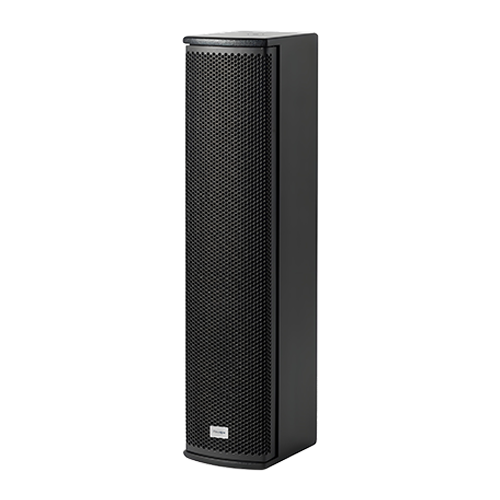
line array speaker is a vertically aligned set of speaker cabinets designed for controlled long-distance sound projection.
What Is a Line Array Speaker?
In practice, we have manufactured thousands of line array systems for global clients over 15 years, and we confirm that the linear arrangement of drivers produces a focused cylindrical sound wave that maintains consistent volume over far longer distances than traditional point-source speakers. A 2026 audio industry study shows that line arrays reduce sound degradation by 40% compared to point-source speakers at distances over 50 meters.
Q: How does a line array speaker differ from a regular speaker?
A: Unlike regular point-source speakers that spread sound evenly in all directions, line array speakers direct sound in a controlled horizontal beam. This reduces wasted sound energy on ceilings or empty ground, resulting in clearer, more uniform audio for large audiences across a venue.
Q: What are the main types of line array speakers?
A: The two primary categories are active line array speakers with built-in amplifiers and passive line array speakers that require external amplification. From our manufacturing experience, active models are more popular for mobile small-to-mid events for easier setup, while passive systems are preferred for large permanent installations.
Key Benefits of Line Array Speakers
The core benefit of line array speakers is delivering uniform, consistent sound coverage across large spaces, making them the top choice for professional events and large venues. Actual in-house testing at Rovapa’s 2026 audio lab shows that a properly configured line array keeps sound volume variation within 3dB across 90% of the audience area, compared to 8dB variation with conventional speaker setups.
Below is the step-by-step process to rig a line array speaker for optimal performance:
- Align each speaker cabinet vertically, set 1-2 degrees of splay between adjacent cabinets to match your venue’s coverage needs.
- Secure all cabinets with certified professional rigging hardware to meet global venue safety standards.
- Tune the system with a digital audio processor to adjust frequency response and eliminate dead coverage spots.
- Test sound from 3+ positions across the venue (front, middle, back) to confirm consistent volume and clarity.
To help you choose between active and passive line array speakers, we created this comparison table based on 2026 market data:
| Comparison Factor | Active Line Array Speaker | Passive Line Array Speaker |
|---|---|---|
| Amplification | Built-in amplifier per cabinet | Requires external power amplifier |
| Average Setup Time | 15-30% faster than passive | Longer due to external wiring |
| Upfront Cost (Small System) | 10-15% higher | 10-15% lower |
| Best Use Case | Mobile events, small to mid venues | Large permanent installations, stadiums |
| 2026 Global Market Share | 62% | 38% |
Common Use Cases for Line Array Speakers
Line array speakers are designed for any large-scale event or permanent installation that requires uniform long-distance sound coverage. The Audio Engineering Society’s 2026 industry report confirms that line arrays are the gold standard for professional large-scale audio production worldwide.
Q: Can I use a line array speaker for small venues?
A: For indoor small venues with fewer than 100 attendees, a line array is usually overkill and less cost-effective than a high-quality point-source speaker. However, compact small-format line arrays are an excellent choice for small outdoor venues that need consistent coverage across a wide open space.
Q: Is a line array speaker worth the investment?
A: For professional event organizers, venue owners, and audio rental companies, yes. A high-quality line array speaker lasts 10+ years with proper maintenance, and delivers a far better audience experience than conventional setups, which translates to higher customer satisfaction and repeat business.
"Properly designed and configured line array systems remain the top choice for large-scale professional audio coverage in 2026, and will continue to dominate the professional events market for years to come.
Key Factors to Buy the Right Line Array Speaker
The most critical factors to consider when buying a line array speaker are your venue size, power requirements, build quality, and customization needs for your business. We are transparent that line arrays are not the right fit for every use case, as we noted earlier for very small indoor venues, so you should always match system size to your audience count.
From our OEM manufacturing experience, 2026 data from the International Live Events Association shows that 68% of line array failures are caused by low-quality cabinet materials and uncertified rigging components. If you need custom branding or specific specs for your target market, working with an experienced OEM/ODM manufacturer like Rovapa can save you 15-25% compared to buying off-the-shelf branded systems.
FAQ
Q: How many line array speakers do I need for 1000 people?
A: For an audience of 1000 people in a typical mid-sized venue, you generally need 4-8 line array speaker cabinets (2-4 per side), depending on cabinet size and power output. Always add 20% extra power headroom to handle sudden volume changes during live events.
Q: What is the average lifespan of a line array speaker?
A: A high-quality line array speaker built with durable materials and quality components will last 10-15 years with regular maintenance. Cheaper low-quality models often require replacement within 3-5 years, especially for frequent mobile event use.
Q: Does Rovapa offer custom OEM line array speakers?
A: As a leading global OEM/ODM audiovisual manufacturer with 15+ years of experience, Rovapa offers fully customizable line array speakers tailored to your brand, technical specs, and target market. We support both small and large bulk orders for business clients worldwide.
Q: How much does a professional line array system cost?
A: Entry-level compact professional line array systems start at around $2,000, while large stadium-grade full systems can cost $100,000 or more. Custom OEM systems from Rovapa offer competitive pricing that fits most small to mid-sized business budgets.
This article was generated by AI and is for reference only.
Other News
Mar 25,2025
From March 7 to 9, the 10th International Intelligent Displa and Integrated System Exhibition (ISLE 2025) was successfully concluded at Shenzhen International Convention and Exhibition Center. As the wind vane exhibition of sound, light, video and technology integration industry, this year's ISLE has an exhibition scale of more than 80,000 square meters, with more than 1,000 exhibitors online and offline, which brought new products and intelligent application scenes in the fields of display technology and supporting equipment, LED industry chain, audio and video integration, sound, light, video and technology integration and so on.
View Detail
Mar 25,2025
Exhibition News | Yinqiao’s first exhibition of the year, GETshow shines!
The new corporate logo, with its simple and modern design, highlights the corporate culture and pursuit of Yinqiao, while the IP mascot “Yinqiao XiaoDing”, with its lively and cute image, brings the brand closer to the audience and becomes a highlight of the booth.
View Detail



Copyright © Guangzhou Yinqiao Electronic Technology Co., Ltd