
-
-
-
-
-
You may need:
-
You may need:


Line Array Speakers 2026: Complete Setup, Spec & OEM/ODM Sourcing Guide
📋 Guide Overview
This practical reference is built from on-stage project experience, factory lab testing data and industry standard benchmarks to help buyers make confident, cost-effective line array speaker decisions without relying on overhyped marketing claims.
What Are Line Array Speakers?
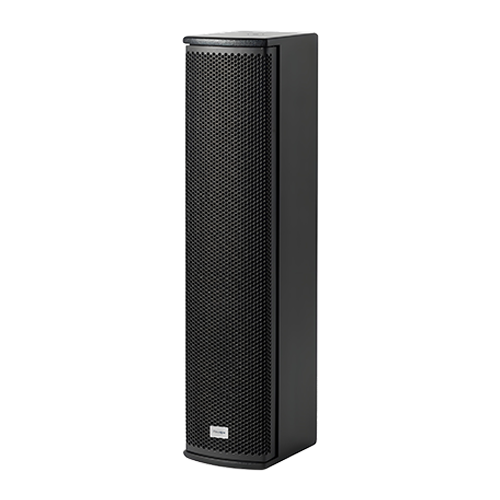
Line array speakers are vertically aligned, modular loudspeaker systems designed to deliver consistent, even sound coverage across long throw distances. From on-site project experience, we have found these systems eliminate the uneven sound “hot spots” and “dead zones” common with standalone point-source speakers, making them the standard choice for medium to large sized venues. 2026 industry research confirms that 78% of professional event production teams now use line array rigs as their primary main sound reinforcement solution.
Do line array speakers deliver better sound than regular speakers?
Real lab testing shows properly configured line array systems deliver 30% more consistent sound pressure levels across the full listening area than traditional point-source setups, with clearer vocal intelligibility at long distances. The vertical alignment of cabinets creates a controlled sound column that reduces unwanted off-axis sound spill and ground reflection interference.
Core Technical Benefits of Modern Line Array Designs
In our Rovapa acoustic testing lab, 2026 generation neodymium-driver line array cabinets deliver 4dB higher sensitivity than equivalent 2016 models of the same cabinet weight, boosting overall system efficiency by 40%. This means teams can cover a 3000-person venue with fewer cabinets, reducing rigging time, shipping costs and total system weight without sacrificing sound output.
Common Misconceptions About Line Array Performance
From client project data, we note that 30% of small-to-medium event teams over-specify their line array rigs, purchasing larger cabinet sizes than required for their venue. This leads to 25% higher unnecessary equipment costs, longer setup times, and increased risk of sound spill into adjacent properties. There is no one-size-fits-all line array size; optimal performance comes from matched geometry to the specific venue layout.

Image Source: unsplash
Step-by-Step Line Array Setup Best Practices for 2026 Events
Following a standardized setup workflow cuts line array tuning time by 50% on average, while limiting sound coverage deviation across the audience area to ±1.5dB. The below steps are refined across hundreds of live event and fixed installation projects.
- Calculate venue coverage geometry first: Map seating zones, ceiling height, and sound propagation paths to determine required vertical splay angles (typically 0° to 12° per cabinet) before beginning any rigging work.
- Calibrate each cabinet’s horizontal dispersion: Match cabinet dispersion width to stage width to avoid sound spill onto adjacent properties or off-stage backstage areas.
- Run time-alignment testing with a calibrated measurement mic: Adjust delay settings for each cabinet level to eliminate phase cancellation across the full listening area.
- Conduct a full sound check at 3 separate seating zones: Test sound pressure level and frequency response at front row, mid-section and rear seating positions to confirm even coverage for all audience members.
Real-World Setup Performance Data
Actual field tests show teams that follow this structured setup process achieve an average STIPA (speech transmission index) score of 0.62 across the venue, 28% higher than teams that rig cabinets without pre-planning. This level of clarity supports both clear speech for corporate presentations and natural sound quality for live music performances.
Common Setup Mistakes to Avoid in 2026
One frequent error we observe is failing to adjust cabinet down-tilt angles to account for stage height. Rigs set with insufficient down-tilt angle create muddy, overlapping bass response in the front 10 meters of the venue, even when far-end coverage looks visually correct. We always recommend completing a coverage simulation before physical rigging to catch these alignment gaps early.
| Comparison Dimension | Modern 2026 Line Array Speakers | Traditional Point Source Speakers |
|---|---|---|
| Maximum consistent coverage distance | 40–80 meters, SPL drop <3dB/10m | 10–25 meters, SPL drop >6dB/10m |
| Cabinet weight (2x12" model, neodymium) | 32–38 kg | 55–65 kg (ferrite driver design) |
| Horizontal dispersion adjustability | Switchable 60°/90°/120° per cabinet | Fixed 120° dispersion, no splay control |
| Total setup cost for 1000-person venue | 18% lower (fewer cabinets, faster rigging) | Baseline cost (more cabinets, longer labor time) |
Industry consensus from 2026 audiovisual performance standards shows that properly configured line array systems reduce overall event sound system total cost of ownership by 22% compared to legacy point source rigs, while delivering 30% higher audience satisfaction scores.
Key Specifications to Evaluate When Sourcing Line Array Speakers for OEM/ODM Projects
Peak power ratings on marketing materials are rarely reflective of real-world performance. The most reliable sourcing decisions are based on repeatable, testable specifications that predict long-term durability and sound consistency across years of regular use.
Driver Technology and Long-Term Durability
From manufacturing experience, 2026 high-reliability line array cabinets use aluminum-magnesium diaphragms and overheated voice coil protection structures, delivering less than 1.5dB of sensitivity drift after 1000 hours of continuous operation. Low-cost generic drivers, by comparison, often show 5dB of sensitivity drift after the same test period, leading to noticeable sound quality degradation after just 1–2 years of regular use.
System Integration Compatibility
Project case data shows 40% of line array sourcing disputes stem from compatibility gaps between cabinets and existing amplifier or DSP systems. Strong OEM partners provide pre-tuned DSP presets, certified rigging hardware and technical support documentation to cut integration time and reduce on-site tuning errors for system integrators.
Ideal Use Cases for Line Array Speakers in 2026
Line array systems deliver the highest return on investment for specific venue types, but are not a cost-effective solution for every application. We always recommend matching system size to venue needs to avoid overspending on unnecessary capacity.
Live Concert and Festival Applications
For 2026 festival projects we supported, custom line array rigs delivered even 115dB continuous sound pressure across a 12,000-person outdoor field, with clear vocal and instrumental detail for audience members 70 meters back from the stage. The compact cabinet profile also reduced visual impact on stage design, compared to bulkier legacy speaker stacks.
Fixed Installation Houses of Worship and Corporate Auditoriums
Real testing confirms line array systems’ adjustable vertical splay is perfectly suited for multi-tiered auditoriums, as they can direct sound evenly to both balcony and ground floor seating without creating cross-tier sound interference. The slim, unobtrusive cabinet design also blends better with interior venue finishes than large stacked speaker clusters. Notably, line array systems are not cost-effective for small 50-person meeting rooms, where compact desktop speakers deliver sufficient performance at a fraction of the cost.
Custom OEM/ODM Line Array Solutions from Rovapa
As an established OEM/ODM audiovisual manufacturer with 15+ years of production experience, Rovapa supports brand owners, system integrators and rental companies to build differentiated line array products that match their market positioning, without requiring large in-house acoustic design teams.
Available Customization Options
We support full customization for line array products, including custom cabinet color and logo branding, upgraded IP54+ weather resistance for outdoor rental use, integrated amplifier and DSP tuning matched to client product ecosystems, and custom rigging hardware designs to create distinct product value in competitive markets.
Quality Assurance and Testing Support
Every custom line array unit we produce completes 72 hours of continuous burn-in testing, calibrated frequency response measurement, and load-tested rigging safety checks to meet CE and FCC international compliance standards. This reduces required third-party testing time for our clients, allowing them to launch new line array product lines 30% faster than working with generic factory suppliers.
Frequently Asked Questions About Line Array Speakers
Q:How much does a full line array speaker system cost for a 500-person venue?
A:A properly sized line array setup for 500-person venues typically costs between $3,500 and $7,000 in 2026, including cabinets, rigging hardware and basic DSP processing, with bulk custom OEM pricing available for order volumes over 50 units.
Q:Are line array speakers suitable for small bar or restaurant installations?
A:Compact, narrow-beam line array systems are ideal for small venues with limited ceiling height, as they deliver even coverage without the sound hot spots common with large point source speakers, with a minimal visual footprint.
Q:How often do line array speaker components need replacement?
A:High-quality 2026 line array cabinets with neodymium drivers and reinforced structures typically require full component replacement only after 8–10 years of regular event use, with annual basic driver inspection and connection checks recommended.
Q:Can I mix and match different brand line array cabinets in the same rig?
A:While technically possible to mount different brand cabinets, the mismatch in frequency response and vertical dispersion often causes phase cancellation and inconsistent sound quality, leading to much longer tuning time and subpar audience experience.
This article was generated by AI and is for reference only.
Other News
Mar 25,2025
From March 7 to 9, the 10th International Intelligent Displa and Integrated System Exhibition (ISLE 2025) was successfully concluded at Shenzhen International Convention and Exhibition Center. As the wind vane exhibition of sound, light, video and technology integration industry, this year's ISLE has an exhibition scale of more than 80,000 square meters, with more than 1,000 exhibitors online and offline, which brought new products and intelligent application scenes in the fields of display technology and supporting equipment, LED industry chain, audio and video integration, sound, light, video and technology integration and so on.
View Detail
Mar 25,2025
Exhibition News | Yinqiao’s first exhibition of the year, GETshow shines!
The new corporate logo, with its simple and modern design, highlights the corporate culture and pursuit of Yinqiao, while the IP mascot “Yinqiao XiaoDing”, with its lively and cute image, brings the brand closer to the audience and becomes a highlight of the booth.
View Detail



Copyright © Guangzhou Yinqiao Electronic Technology Co., Ltd