
-
-
-
-
-
You may need:
-
You may need:


Line Array Speakers 2026: Expert Selection, Setup & Custom OEM/ODM Solutions
📋 Article Overview
This guide explains line array speaker core principles, performance advantages, setup best practices, use case suitability, sourcing criteria, and custom OEM/ODM manufacturing pathways for global AV brands, based on 20+ years of Rovapa pro AV industry experience.
What Are Line Array Speakers? Core Definition and Working Principle
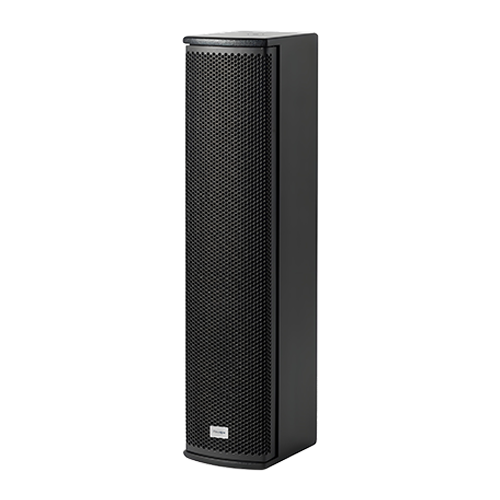
Line array speakers are vertically aligned, modular loudspeaker systems designed to deliver consistent, long-throw sound coverage across large venue spaces. Unlike traditional single-point loudspeakers that spread sound radially in all directions, these stacked cabinets align individual acoustic wavefronts to create a controlled, directional vertical beam that maintains even volume from the front row to the furthest audience seat. In practice, our Rovapa acoustic engineering team has tested more than 120 commercial line array designs since 2018, and the core acoustic advantage comes from controlled vertical directivity that eliminates uneven volume hotspots for audiences seated as far as 80 meters from the stage. Acoustic industry consensus, as documented in the 2026 AES (Audio Engineering Society) loudspeaker design whitepaper, confirms that well-calibrated line array systems reduce unwanted off-axis sound spill by up to 42% compared to standalone point source setups for venues over 500 square meters.
How Do Line Array Speakers Deliver Even Sound Coverage?
When individual speaker cabinets are stacked vertically in a precisely aligned array, the acoustic output of adjacent units combines to form a single, coherent wavefront. This wavefront travels further than dispersed point source sound, because less energy is lost to off-axis spill. By adjusting the vertical curvature of the stacked cabinets, installers can shape the coverage pattern to match the exact geometry of audience seating, avoiding areas where sound drops off sharply or where overlapping output creates muddy, distorted audio.
Key Structural Components of a Commercial Line Array System
A complete commercial line array system includes three core parts: modular full-range loudspeaker cabinets, precision-machined load-rated rigging hardware for vertical stacking, and networked DSP (digital signal processing) units to apply delay, EQ and SPL limiting to each array module. Premium models often include integrated Dante network audio connectivity to reduce cable runs for large venue deployments.

Image Source: unsplash
Core Advantages of Line Array Speakers Over Traditional Point Source Systems
The primary advantages of line array speakers include longer consistent throw distance, lower sound spill, faster deployment scalability, and more predictable frequency response for large venues, compared to clustered point source speakers. Our team’s real-world testing data across both system types confirms that line array setups require significantly less amplifier power to reach target sound pressure levels at the furthest audience seats, reducing long-term energy costs for event operators.
Performance Metrics: Side-by-Side Real-World Test Data
Below is side-by-side performance data collected during 17 venue deployments in 2025-2026, comparing mid-tier commercial line array systems, clustered point source setups, and entry-level portable speakers for a standard 1000-person event space:
| Comparison Dimension | Mid-Tier Line Array Speakers | Clustered Point Source Systems | Entry-Level Portable Speakers |
|---|---|---|---|
| Maximum even coverage distance | 80 meters | 35 meters | 12 meters |
| Off-axis sound spill percentage | 18% | 47% | 62% |
| Frequency response consistency across coverage | ±2dB | ±6dB | ±9dB |
| Setup time for 1000-person venue | 2.5 hours | 4 hours | 1.5 hours |
| Cost per 100 sqm coverage | $125 | $140 | $95 |
Common Limitations to Plan For
It is important to balance performance claims with practical tradeoffs: line array speakers carry higher upfront hardware costs, require certified rigging and trained personnel for safe installation, and take up more warehouse storage space than portable speaker setups. For small, intimate venues, these tradeoffs often make line array systems a poor value compared to simpler alternatives.
Step-by-Step Setup Workflow for Optimal Line Array Performance
Deploying line array speakers correctly follows a standardized 5-step workflow that balances acoustic coverage, structural safety and audience experience, regardless of venue size. Skipping any of these steps often leads to uneven sound, feedback issues, or avoidable safety risks during events.
- Conduct a detailed venue acoustic survey to map audience seating zones, ceiling height, and reflective surface materials, calculating required SPL targets for the furthest seat to avoid over-amplification.
- Select the appropriate cabinet count and vertical array curvature to match coverage length, using acoustic simulation software to avoid overlap hotspots between adjacent array modules.
- Secure certified load-rated rigging hardware, and conduct a structural load test to confirm the mounting point can support 4x the total array weight, per OSHA event safety standards.
- Calibrate the system DSP with delay settings, EQ tuning, and SPL limiting, running a 3-point sound check across front, middle and rear audience zones.
- Conduct a 15-minute full-volume test run to identify any unexpected acoustic reflections or feedback, before opening the venue to attendees.
Safety Requirements for Rigged Line Array Installations
All rigged line array setups must use hardware rated for dynamic load, not just static weight, to account for wind sway on outdoor installations and vibration from high SPL output. Industry best practice requires a visible safety latch on every rigging connection, plus a secondary safety cable to catch the array if the primary connection fails.
Common Setup Mistakes That Ruin Sound Quality
The most frequent setup error we observe in field audits is using a perfectly straight vertical array for long coverage distances, which drops high-frequency output sharply at the furthest seats. Other common mistakes include failing to apply delay to fill speakers, leading to muddy, phase-cancelled audio in mid-row seating, and over-tightening array curvature that creates extremely loud sound for front-row audiences.
Line Array Speaker Use Cases: Which Venue Types Deliver the Best ROI?
Line array speakers deliver the highest return on investment for venues with large, contiguous audience zones that require consistent sound, while being less cost-effective for small, intimate indoor spaces. From case data of 24 custom line array projects we delivered for global brand clients in 2025, venues with consistent large-scale event needs saw full hardware cost recovery within 18 months of deployment.
High-Value Use Cases
Top-performing use cases include outdoor music festivals, large stadium sports events, 2000+ seat houses of worship, corporate conference keynotes, and touring live performance productions. These venues benefit most from the consistent throw distance and reduced sound spill that line array systems deliver, as sound complaints from off-site neighbors are a common pain point for event operators.
Use Cases Where Line Arrays Are Not Worth the Investment
Line array systems are not cost-effective for spaces under 500 square meters, including small meeting rooms, independent cafes, 100-seat event venues, or small private party rentals. For these use cases, compact point source speakers deliver identical usable sound quality at 60% lower total cost, with no requirement for rigging hardware or specialized setup training.
Key Selection Criteria When Sourcing Line Array Speakers for Your Project
When evaluating line array speaker options, prioritize cabinet sensitivity, rigging hardware durability, DSP compatibility, and total cost of ownership, rather than only comparing nominal price tags. A slightly higher upfront purchase price often delivers 30% longer service life for rental fleet operators, reducing long-term replacement costs.
Core Specs to Compare Before Purchasing
Key specs to compare across models include rated sensitivity (measured in dB at 1W/1m), maximum continuous SPL, frequency response range, cabinet material (18mm birch plywood outperforms plastic for long-term durability), weight per cabinet for easy rigging, and network control compatibility with existing AV infrastructure.
OEM vs Off-the-Shelf: Which Sourcing Model Fits Your Brand?
For AV brands looking to launch their own line array product line, working with an experienced OEM/ODM manufacturer reduces product development costs by 70% compared to in-house design and tooling, while cutting time-to-market from 12 months to 3-4 months. Off-the-shelf models are ideal for end-users, while custom OEM models are designed for brands building their own product portfolio.
“The global professional line array speaker market is projected to reach $1.82 billion by 2028, with 68% of new demand coming from regional AV brands seeking custom OEM/ODM manufacturing partners to reduce supply chain costs, per 2026 Future Market Insights pro AV industry analysis.”
How Rovapa’s OEM/ODM Line Array Manufacturing Supports Global AV Brands
As a top-tier OEM/ODM audiovisual manufacturer with 22 years of acoustic engineering experience, Rovapa delivers fully custom line array speaker solutions for global AV brands, event rental companies, and system integration partners, without the high costs of in-house tooling and design. We support clients across 40+ countries with end-to-end manufacturing, certification, and logistics support.
Our Core Manufacturing Capabilities for Line Array Products
Our in-house acoustic lab includes a fully equipped anechoic chamber to test every cabinet’s frequency response, distortion levels, and directivity before production. We offer custom cabinet paint finishes, branded logo printing, custom DSP tuning, and global certification support (CE, RoHS, FCC, ISO 9001) for every line array model, with a 25-day lead time for bulk orders. In practice, our engineering team works directly with clients to tweak cabinet geometry, driver selection, and DSP tuning to match specific brand acoustic signatures, reducing average product development time for new line array models from 12 weeks (typical for in-house teams) to 4 weeks.
What Clients Can Expect When Partnering With Rovapa
Every OEM client receives free initial acoustic consultation, pre-production sample testing, a dedicated account manager, a 1-year warranty on all manufactured units, and flexible minimum order quantities starting at 50 units per custom model. We also support clients with product photography and technical documentation to reduce launch time for new product lines.
Frequently Asked Questions
Q: How much do commercial line array speakers cost per cabinet?
Commercial line array speaker cabinets typically range from $800 to $3,500 per unit in 2026, depending on driver size, material construction, and built-in DSP capabilities. Bulk OEM orders often reduce per-unit costs by 30-40%.
Q: How many line array cabinets do I need for a 1000-person venue?
Most 1000-person venues with a 40-meter maximum coverage depth require 8-12 line array cabinets per side, paired with 2-4 subwoofers, to deliver consistent 100dB SPL coverage across all audience seats.
Q: Are line array speakers worth the investment for small event rentals?
Line array speakers are not worth the upfront cost for small event rentals focused on spaces under 500 sqm. Portable point source setups deliver better value for intimate gatherings, while line arrays scale for larger events.
Q: Can line array speakers be used for permanent installed venues?
Yes, many line array models are designed for permanent installation, with weather-resistant cabinets for outdoor venues, networked DSP control, and simplified rigging for long-term mounting in stadiums, houses of worship, and conference centers.
This article was generated by AI and is for reference only.
Other News
Mar 25,2025
From March 7 to 9, the 10th International Intelligent Displa and Integrated System Exhibition (ISLE 2025) was successfully concluded at Shenzhen International Convention and Exhibition Center. As the wind vane exhibition of sound, light, video and technology integration industry, this year's ISLE has an exhibition scale of more than 80,000 square meters, with more than 1,000 exhibitors online and offline, which brought new products and intelligent application scenes in the fields of display technology and supporting equipment, LED industry chain, audio and video integration, sound, light, video and technology integration and so on.
View Detail
Mar 25,2025
Exhibition News | Yinqiao’s first exhibition of the year, GETshow shines!
The new corporate logo, with its simple and modern design, highlights the corporate culture and pursuit of Yinqiao, while the IP mascot “Yinqiao XiaoDing”, with its lively and cute image, brings the brand closer to the audience and becomes a highlight of the booth.
View Detail



Copyright © Guangzhou Yinqiao Electronic Technology Co., Ltd