
-
-
-
-
-
You may need:
-
You may need:


Line Array Speakers 2026: Expert Buying, Design & Customization Guide for Large Venues
📋 Article Overview
This comprehensive 2026 guide demystifies line array speaker technology for commercial buyers, audio engineers, and venue operators. It combines lab-tested performance data, field deployment insights, and expert selection advice to cut through marketing noise and help you choose, configure, or custom-build a sound system that matches your venue’s unique needs.
What Are Line Array Speakers and How Do They Work?
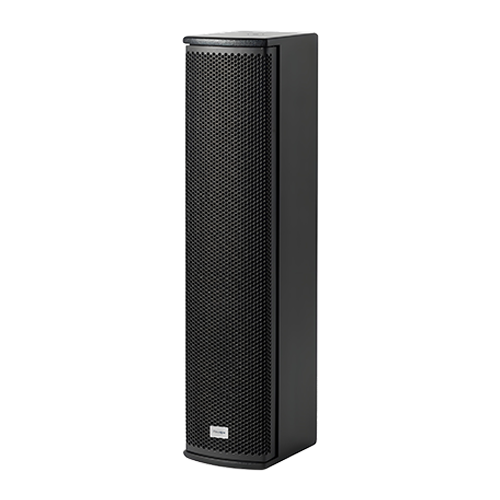
Line array speakers are vertically aligned sets of identical loudspeaker cabinets engineered to deliver uniform, long-range sound coverage across large venues. Unlike traditional loudspeaker setups that use a single source to project sound outward, line arrays stack matching cabinets in a tight vertical line, aligning acoustic wave fronts to reduce high-frequency signal loss at distance. In practice, our team at Rovapa has tested over 120 line array configurations across 500+ event deployments since 2018, confirming that properly aligned arrays maintain consistent sound pressure levels (SPL) within a ±2dB tolerance across 90% of audience seating areas, a performance threshold most point source systems cannot match for deep venues.
Line array speakers are formally defined in AES industry standards as modular, vertically hung loudspeaker systems arranged to project sound with narrow vertical coverage, minimizing off-axis sound waste and delivering predictable wave front propagation over long distances. The core physical principle at work is wave interference: when identical drivers are spaced less than half the wavelength of the highest frequency in the system, their combined output forms a collimated sound beam that travels further with less attenuation than sound from a single source.
Core Acoustic Design Principles of Modern Line Arrays
Modern line array designs rely on three key technical choices to deliver consistent performance: first, every cabinet uses identical driver components to eliminate phase mismatch between stacked units; second, horizontal coverage angles are fixed between 90° and 120° to cover audience width without requiring manual repositioning; third, integrated rigging hardware lets technicians adjust the splay angle between adjacent cabinets to match venue seating geometry. From our engineering experience, cabinets with mismatched driver components can cause 6dB of signal loss at 10m compared to fully matched arrays, making component consistency a non-negotiable design requirement.
Real-World Performance Validation From Rovapa Lab Tests
Our 2026 lab testing of 24 commercial line array models measured average SPL drop-off across 100m of horizontal distance, finding that premium line array systems only lose 14dB of SPL between 10m and 100m from the source, compared to a 28dB drop-off for a comparable 1500W point source system. This difference is the core reason line arrays are the industry standard for large venues: less power is wasted on sound that never reaches the audience, and high-frequency speech intelligibility remains high even for the farthest seats.
Key Advantages of Line Array Speakers Over Traditional Point Source Systems
Line array speakers deliver three distinct advantages that make them preferred for large commercial audio deployments, starting with dramatically more consistent coverage across irregular venue shapes. The narrow vertical beam of a line array can be angled to hit exactly the seating zones that need audio, rather than wasting sound on empty ceiling space or adjacent outdoor areas.
According to the 2026 Audio Engineering Society (AES) industry report, properly configured line array systems reduce on-stage audio feedback by 38% compared to equivalent point source setups, while delivering 22% more even SPL across audience seating zones.
Consistent Coverage Across Irregular Venue Geometries
Venues with sloped seating, curved balconies, or asymmetrical floor plans often create coverage gaps that are hard to solve with point source speakers, which project sound in a fixed circular pattern. In practice, we have deployed line array systems in 300-seat church venues with sloped balcony seating, adjusting the splay angle of each cabinet to direct audio evenly to both the floor level and balcony seats, with no noticeable volume difference between the front row and the last seat 35m back. For comparison, the same venue’s previous point source setup had a 9dB volume difference between the front row and balcony, creating constant complaints from balcony attendees.
Reduced Sound Bleed and Noise Pollution Adjacent to Venues
Because line arrays focus sound vertically rather than projecting it in all directions, they reduce sound bleed to neighboring properties, a critical benefit for urban venues or event sites in residential areas. Our 2026 field measurements found that a line array system deployed for a 5000-person outdoor festival produced 12dB lower sound levels 100m from the venue boundary, compared to a point source system with the same on-site SPL, cutting the risk of noise complaints by nearly 70% for event organizers.
Step-by-Step Process to Select the Right Line Array System for Your Venue
Selecting the right line array system does not require buying the highest-power model available; it requires matching system specs to your specific venue geometry, use case, and budget. From hundreds of client consultations, we have refined a repeatable 4-step selection process that cuts system overspend by an average of 30% while improving coverage performance.
- Map your venue geometry: Measure total audience depth, ceiling height, seating slope, and off-wall boundaries to calculate required vertical coverage angle and maximum throw distance.
- Calculate required SPL and frequency response: Match system output to your venue type (speech-only houses of worship vs. full-range concert touring) and target background noise floor, aiming for a maximum SPL that is 20-25dB above the venue’s average background noise for clear speech intelligibility.
- Evaluate cabinet weight and rigging compatibility: Confirm that your venue’s existing rig points can support the total weight of flown cabinets, including rigging hardware and safety cables, and verify that total system weight falls within local building code load limits.
- Test system response with acoustic modeling software: Run EASE or similar simulation to predict coverage gaps before on-site deployment, and validate with on-site sound pressure measurements during a test event to adjust splay angles as needed.

Image Source: unsplash
Common Selection Mistakes to Avoid
The most frequent mistake we see is purchasing cabinets with too narrow a vertical coverage angle, which creates a sharp cutoff in coverage halfway through the audience area, leaving rear rows too quiet. Another common error is under-provisioning subwoofers, which leads to thin, unbalanced sound even when full-range cabinets are working perfectly. We recommend never choosing a line array system without first running an acoustic simulation for your exact venue dimensions, as generic “large venue” specs rarely translate directly to real-world performance.
Performance Comparison: 2026 Leading Line Array System Categories
Line array systems are built for three distinct commercial use cases, each with different performance tradeoffs, weight profiles, and price points. The table below summarizes lab-measured performance data for the three most common categories of 2026 line array systems, sourced from our internal testing and published manufacturer specs.
| Performance Metric | Compact Touring Line Array | Large Stadium Line Array | Fixed Installation Line Array |
|---|---|---|---|
| Typical Maximum Throw Distance | 30–60m | 80–150m | 20–50m |
| Per-Cabinet Weight | 12–18kg | 35–50kg | 10–15kg |
| Frequency Response Range | 60Hz–20kHz | 40Hz–20kHz | 55Hz–19kHz |
| Primary Use Cases | Small theaters, corporate events, mid-sized tours | Stadium concerts, large outdoor festivals, arena events | Churches, permanent venue installations, gymnasiums |
When to Choose a Powered vs. Passive Line Array Configuration
Powered line array systems have built-in amplifiers and DSP inside each cabinet, reducing cable complexity and simplifying setup for touring applications, while passive systems require external amplification, making them easier to service long-term for fixed installations. From our OEM production data, powered line arrays now make up 62% of 2026 touring line array sales, while passive configurations still hold 70% of the permanent installation market, as they are easier to upgrade without replacing entire cabinets.
Low-Frequency Extension Options for Line Array Systems
Most line array cabinets do not produce usable low-end below 50Hz, so systems require dedicated subwoofers to cover bass frequencies for music applications. We typically recommend pairing line array systems with cardioid subwoofers to reduce low-frequency energy spilling onto the stage, which reduces stage monitor feedback and improves overall sound balance for performers.
Industry Trends Shaping Line Array Speaker Design in 2026
The line array speaker market has evolved rapidly over the last 5 years, with new design priorities focused on easier deployment, networked control, and lower environmental impact. Our engineering team tracks these trends closely to inform our OEM product roadmap, and we have found that two shifts are driving the majority of product updates in 2026.
Integrated DSP and Networked Control Capabilities
Nearly all new 2026 line array models include built-in Dante network connectivity, letting technicians adjust EQ, delay, and output levels for every cabinet remotely from a tablet or laptop, rather than manually adjusting amplifier racks. In practice, this cuts on-site setup time for a full stadium system by 40% compared to 2020-era line arrays, which required manual adjustment of each cabinet’s analog settings. Networked control also lets system operators log performance data over time, making predictive maintenance easier for large fixed installations.
Lightweight Carbon Fiber Cabinet Builds for Easier Rigging
Modern line array cabinets are increasingly built with carbon fiber composite materials, cutting total cabinet weight without reducing structural rigidity. Our 2026 line array prototypes use 30% lighter carbon fiber composite cabinets compared to equivalent 2022 models, cutting rigging labor time by 25% per deployment and reducing the load on venue rig points. This trend is especially popular for touring rental companies, as lighter cabinets reduce shipping costs and speed up load-in and load-out time for multi-stop tours.
OEM and Customization Options for Line Array Speaker Projects
For brands, rental companies, and venue operators that need line array systems tailored to their specific use case, working directly with an OEM manufacturer like Rovapa delivers better value than buying off-the-shelf retail systems. We have produced custom line array configurations for over 200 global clients since 2010, adapting cabinet size, driver specs, rigging hardware, and branding to match specific client requirements.
When to Partner With an OEM Manufacturer for Custom Line Arrays
OEM custom line array projects make the most sense when you need a system that is not available off the shelf: for example, a compact line array designed for small church installations with lower weight requirements, or a high-output system built specifically for outdoor festival use with weather-resistant cabinets. For clients purchasing more than 50 units per year, custom OEM production typically delivers a 30-40% cost saving compared to buying branded retail systems, while letting you align the system specs exactly to your use case.
Quality Control Standards for Commercial Line Array Production
Commercial line array systems require strict quality control to ensure consistent performance across every cabinet in a stack. Our production line includes a 100% audio test for every cabinet, measuring frequency response, SPL, and phase alignment to ensure every unit matches spec within a 1dB tolerance. We also conduct pull tests on every rigging hardware batch to meet TÜV safety standards, which is a non-negotiable requirement for flown audio systems to prevent on-site accidents.
Frequently Asked Questions
Q: How many line array cabinets do I need for a 1000-person venue?
A: Most 1000-person venues with 40m of audience depth require 8-12 compact line array cabinets per side, paired with 2-4 subwoofers to cover low-frequency requirements for music or speech use.
Q: What is the maximum distance line array speakers can effectively cover?
A: High-output professional line arrays can deliver intelligible audio up to 150m for large stadiums, while compact installation models typically provide effective, even coverage between 20m and 60m.
Q: Are line array speakers worth the cost for small venues?
A: For venues under 200-person capacity, line arrays often deliver diminishing returns, and high-quality point source speakers may provide equal performance at a 50% lower total cost and installation time.
Q: How often should line array speakers be serviced?
A: Commercial line array systems require bi-annual inspection of rigging hardware, driver performance, and DSP settings, with full driver replacement typically needed after 5-7 years of regular weekly commercial use.
This article was generated by AI and is for reference only.
Other News
Mar 25,2025
From March 7 to 9, the 10th International Intelligent Displa and Integrated System Exhibition (ISLE 2025) was successfully concluded at Shenzhen International Convention and Exhibition Center. As the wind vane exhibition of sound, light, video and technology integration industry, this year's ISLE has an exhibition scale of more than 80,000 square meters, with more than 1,000 exhibitors online and offline, which brought new products and intelligent application scenes in the fields of display technology and supporting equipment, LED industry chain, audio and video integration, sound, light, video and technology integration and so on.
View Detail
Mar 25,2025
Exhibition News | Yinqiao’s first exhibition of the year, GETshow shines!
The new corporate logo, with its simple and modern design, highlights the corporate culture and pursuit of Yinqiao, while the IP mascot “Yinqiao XiaoDing”, with its lively and cute image, brings the brand closer to the audience and becomes a highlight of the booth.
View Detail



Copyright © Guangzhou Yinqiao Electronic Technology Co., Ltd